How to Sell Pennsylvania Land on Your Own in 2026 (No Realtor Needed)
Return to BlogGet cash offer for your land today!
Ready for your next adventure? Fill in the contact form and get your cash offer.
By
Bart Waldon
Selling your Pennsylvania land without a realtor can put you in the driver’s seat—more control, more flexibility, and potentially more money kept at closing. It also demands a clear plan because land pricing, marketing, and paperwork work differently than selling a house. Pennsylvania’s land and agriculture economy remains a major force: the state’s agriculture industry brings in over $132 billion annually, and Pennsylvania shipped $2.2 billion in domestic agricultural exports abroad in 2023, according to the Pennsylvania Department of Community and Economic Development and the United States Trade Representative. Those fundamentals help explain why well-presented land can attract serious buyers—from farmers and investors to builders and recreational users.
If your parcel is agricultural or rural, it also helps to understand the current farm landscape. Pennsylvania is estimated to have 48,800 farms in 2024 (down 200 from 2023), with 7.10 million acres of land in farms (unchanged from 2023) and an average farm size of 145 acres (also unchanged), according to the USDA National Agricultural Statistics Service. This guide walks you through the practical steps to sell your Pennsylvania land without a realtor—while staying compliant, market-aware, and ready for today’s buyers.
Research Your Local Land Market (County-Level, Not “Statewide”)
Start with the market that actually matters: your township/borough, school district, and county. Vacant land prices can change dramatically within a few miles based on road frontage, zoning, access to utilities, perc feasibility, and nearby development.
Use recent comparable sales (“comps”) of similar parcels—similar acreage, access, topography, and zoning—to estimate fair market value. Then sanity-check your pricing by monitoring active listings, pending sales, and expired listings. Active listings show your competition; expired listings reveal what the market rejected (often due to price, access, or unclear buildability).
Also, anchor your research to the realities of your region. For example, Lancaster County has the most farmed acreage in Pennsylvania at 393,949 acres, and Bradford County has 303,601 acres of land in farms, according to the USDA NRCS Pennsylvania Strategic Plan 2023–2027. If you’re selling in (or near) heavily farmed areas, you may see stronger demand for ag-adjacent uses, equipment access, and parcels that support long-term land stewardship.
Get Your Legal and Property Documents Ready Before You List
When you sell without a realtor, you become the project manager. That means you should prepare your documentation upfront so buyers (and title companies) don’t find surprises late in the deal.
- Ownership and title: Deed, legal description, and a plan to resolve any liens, judgments, or estate issues.
- Boundary clarity: Survey (if available), plot plan, and any recorded easements or right-of-way agreements.
- Use and buildability: Zoning designation, permitted uses, and notes on wetlands/floodplain if applicable.
- Utilities and access: Road frontage details, driveway/permit requirements, and utility availability (electric, water, sewer/septic).
- PA closing paperwork: Be prepared for Pennsylvania-specific items such as transfer tax documentation and standard closing disclosures.
If anything is unclear—access, encroachments, outdated legal descriptions—address it before you market the property. Clean facts sell land faster because buyers can verify what they’re paying for.
Prepare the Land for Showings: Curb Appeal Still Sells Dirt
Vacant land buyers judge the property the moment they pull over. Simple cleanup and visibility improvements can increase perceived value and reduce buyer hesitation.
- Mow road frontage and walking paths.
- Remove trash, downed branches, and obvious hazards.
- Mark corners or key boundaries (flags or labeled stakes, where appropriate).
- Create a small, stable pull-off area if parking is difficult.
- Post a clear sign with contact info so drive-by buyers can reach you immediately.
Land doesn’t need to look “developed” to look cared for. Your goal is to make it easy to access, easy to walk, and easy to imagine.
Create a High-Trust Listing With Specific, Verifiable Details
Modern land buyers skim listings quickly—then dig deep if the facts look solid. Build confidence by presenting details in a structured, scannable way:
- Acreage: Total acres and any subdividable potential (if permitted).
- Location context: Nearest town, major roads, and notable nearby amenities.
- Zoning and allowed uses: State what’s allowed and what’s not.
- Access: Road type, frontage length, and any access easements.
- Utilities: What’s at the road vs. what requires extension.
- Topography and land features: Clear notes on slope, timber, creek/pond, fields, trails, or views.
- Buyer fit: Explain ideal uses—recreation, hunting, farming, timber, homesite, or long-term hold.
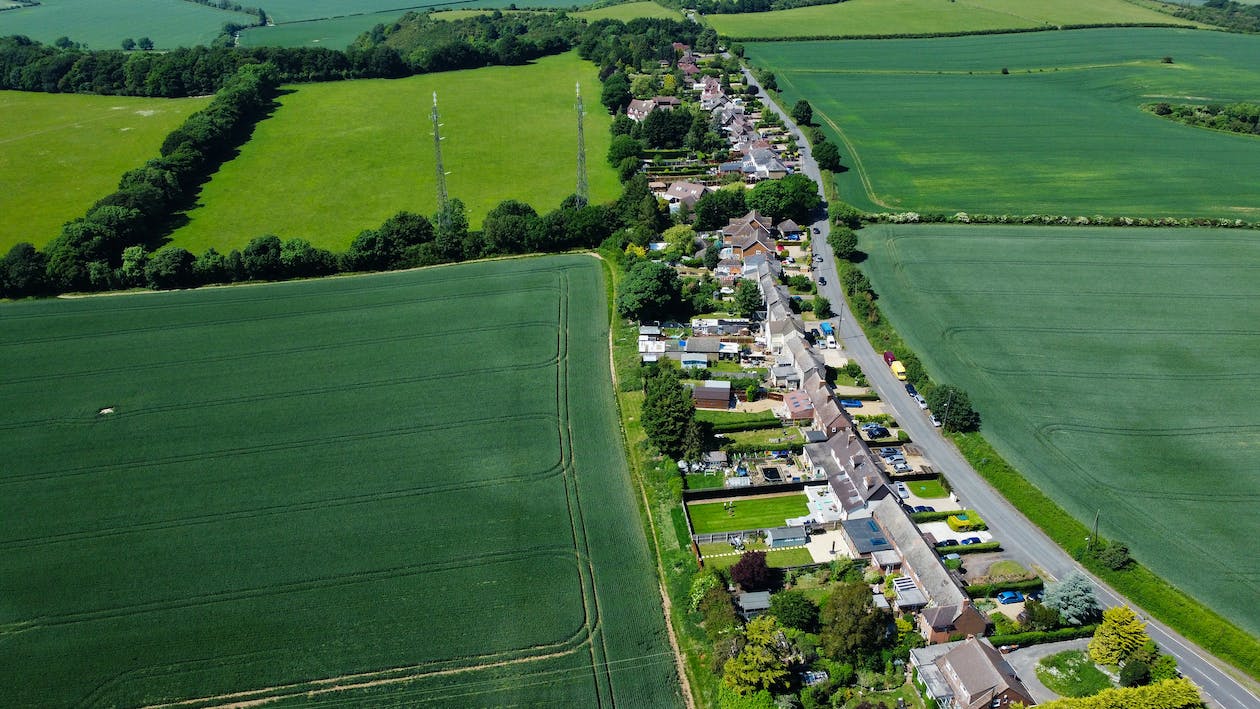
Use current, high-resolution photos in good light. Add drone images if possible; aerial context helps buyers understand layout, access, and neighboring land uses.
Market Beyond One Website: Use Multi-Channel Distribution
Posting once and waiting rarely works for land. You’ll typically need multiple channels because land buyers are fragmented: some search national portals, some watch local Facebook groups, and others rely on investor networks.
- List on major real estate portals and land-specific marketplaces.
- Share in local community groups and regional land/hunting/farming groups.
- Use a yard sign that’s readable from the road with a direct phone number.
- Email local builders, farmers, and land investors with a one-page summary and photos.
- Optimize your listing text with plain-language keywords buyers use (county + acreage + intended use).
If your parcel has agricultural relevance, it can help to speak directly to that audience. Pennsylvania remains a national leader in certain ag categories: during the 2024–2025 growing season, Pennsylvania mushroom farmers produced 670 million pounds of Agaricus mushrooms (up 2% from last season), and Pennsylvania accounted for 69% of the total volume of Agaricus mushroom sales in the U.S., according to Penn State Extension. For the right parcel—especially in established ag corridors—calling out soil, water access, and operational logistics can attract higher-intent inquiries.
Respond Fast, Qualify Buyers, and Treat Offers Like a Workflow
Speed and clarity win deals. When someone asks for information, respond promptly with a simple “property info packet” (even just a PDF or email) that includes the basics: parcel map, zoning, taxes, access notes, and a link to photos.
When offers come in:
- Ask how the buyer plans to close (cash vs. financing).
- Confirm timelines for due diligence, surveys, perc testing, or environmental checks.
- Use a written purchase agreement and keep terms specific (price, deposit, closing date, contingencies).
You don’t need to “wing it.” Treat your sale like a checklist-driven project and you’ll reduce fall-through risk.
Use FSBO Tools (and Pros) Strategically
Even if you skip a realtor, you can still hire support where it matters. Many sellers use:
- Title companies to handle settlement, escrow, and title insurance.
- Real estate attorneys for contract review, unique access issues, or complex ownership situations.
- FSBO listing platforms for templates, guided steps, and broader distribution.
This hybrid approach often costs less than a full commission while still protecting you on the legal and closing side.
When a Land Buying Company Makes Sense
A local land buying company can be a practical alternative if you prioritize speed, simplicity, or certainty over top-of-market pricing. These companies often:
- Buy with cash and can close faster.
- Purchase “as-is,” reducing prep work and showings.
- Handle paperwork and coordinate closing logistics.
The tradeoff is that many land companies offer below retail market value because they need margin to resell. This option can still be a strong fit if you need a quick exit, your parcel has complications, or you don’t want to manage marketing and negotiations.
Final Thoughts
Selling Pennsylvania land without a realtor is absolutely doable—especially when you replace “agent tasks” with a strong process. Study comps at the county level, fix documentation gaps early, and present your land with clean visuals and clear facts. Market across multiple channels, respond quickly, and move offers forward with written terms and a reliable closing partner.
With Pennsylvania’s farm footprint holding steady at 7.10 million acres and an average farm size of 145 acres in 2024 (even as the number of farms is estimated at 48,800), land remains a high-interest asset for many buyer types, according to the USDA National Agricultural Statistics Service. The best results come when you price realistically, market aggressively, and make it easy for buyers to verify what you’re selling.
Frequently Asked Questions (FAQs)
What paperwork do I need to sell land in Pennsylvania without a realtor?
Common documents include the deed, a purchase agreement, tax information, any surveys or plot plans, easements/right-of-way documents, and closing/transfer tax paperwork. A title company or real estate attorney can tell you exactly what your transaction requires.
How do I price my Pennsylvania land accurately?
Base your price on recent comparable sales of similar parcels in your area, then adjust for access, zoning, utilities, and buildability. Watch active and expired listings to see what the market accepts.
What costs should I expect when selling land FSBO in PA?
Costs often include transfer taxes, title work, recording fees, potential survey expenses, and any legal review you choose to obtain. Your net proceeds depend on how you negotiate closing costs with the buyer.
How do I market Pennsylvania land effectively without an agent?
Use a multi-channel approach: major listing sites, land marketplaces, local social groups, signage, email outreach to local buyers, and an SEO-friendly listing description with clear, verifiable property details.
Should I sell to a land buying company instead of listing?
Consider it if you want speed and simplicity. A land buying company may offer a faster cash close and handle paperwork, but the offer is often below full retail value. Choose the route that best matches your timeline and financial goals.
.jpg)
Related Posts.
