10 reasons why buying land in Montana still makes sense in 2026
Return to BlogWe have it.
Dallas reviews every file. If we can buy, you hear from us in two business days. You can decline. Questions? Call (916) 262-7241.
That didn't go through. Call (916) 262-7241 and we'll take the parcel over the phone.
By
Bart Waldon
Montana still delivers what “Big Sky Country” promises: wide horizons, mountain backdrops, cold-clear rivers, and room to breathe. But today’s land market is also shaped by who owns the ground, how fast it’s changing, and what that means for buyers who want a retreat, a working property, or a long-term investment.
Montana’s ownership story is both broad and surprisingly concentrated. There are about 370,000 distinct individuals and entities with landholdings across the state, according to a University of Montana Human Dimensions Lab study (reported by Montana Free Press). Yet roughly 4,000 landowners control about two-thirds (66–67%) of Montana’s private land, and just 13 owners hold 15% of it, per the same research (via Montana Free Press). A related summary of the study notes that Montana’s largest landowners control 63% of the state’s private land (via Mountain Journal).
At the same time, the base of owners is expanding. The number of individual landowners has grown from about 100,000 twenty years ago to more than 160,000, according to the same University of Montana research (via Mountain Journal). Demand isn’t just local, either: nonresident landowners accounted for 17% of property tax bills in 2023, up from 13% in 2004, as reported by Montana Free Press based on the University of Montana Human Dimensions Lab study.
And land use is shifting in visible ways. Between 2000 and 2021, about 1 million acres in Montana—nearly equal to the size of Glacier National Park—was converted to housing, according to a Headwaters Economics analysis of Montana Department of Revenue property assessment records (via Montana Free Press). That reality makes the reasons people buy land here—beauty, privacy, opportunity, and legacy—even more urgent and more valuable.
1. Mother Nature’s Masterpiece
Montana doesn’t need filters. The state’s scenery is the kind of daily view that resets your nervous system and reminds you why land is different from any other asset—you can’t replicate it or manufacture it.
A buffet of landscapes
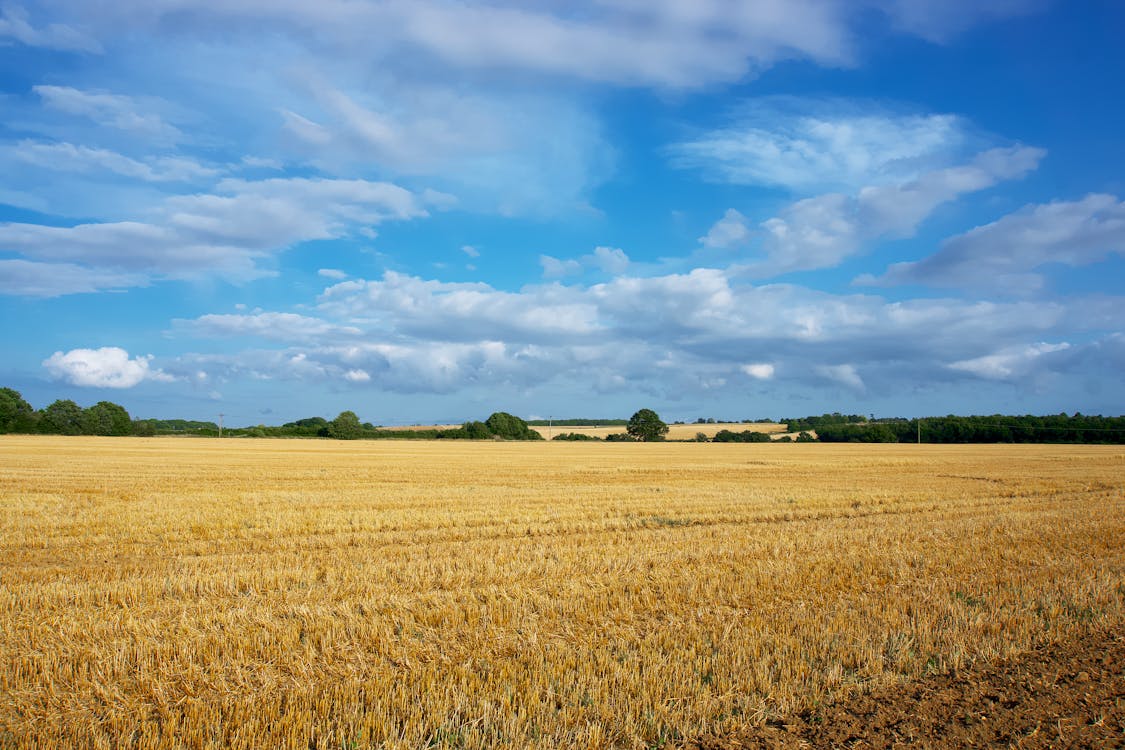
Western Montana brings pine forests, alpine lakes, and dramatic ridgelines. Central Montana blends ranch country with river bottoms. Eastern Montana opens into long prairie horizons that make the sky feel even bigger. Whatever “Montana” looks like in your head, there’s a region that matches it.
Your own wildlife channel
On the right property, wildlife becomes part of everyday life—elk in the meadow, raptors overhead, and deer moving through timber at dusk. If you want a place where the outdoors isn’t a weekend activity, land ownership is the direct route.
2. A Market With Scarcity and Momentum
Land in Montana attracts buyers because it’s finite, desirable, and increasingly competed for—especially as development expands and buyers search for space.
Ownership concentration makes prime ground harder to replace
Private land is widely held, but the biggest blocks are controlled by a relatively small group. Roughly 4,000 landowners control about two-thirds (66–67%) of Montana’s private land, and 13 owners hold 15%, according to the University of Montana Human Dimensions Lab study (via Montana Free Press). Another summary of the same research reports that Montana’s largest landowners control 63% of the state’s private land (via Mountain Journal). When large, high-quality tracts rarely change hands, well-located parcels can become even more sought after over time.
More owners, more competition
While large holdings matter, the overall owner base is growing too. Individual landowners increased from about 100,000 twenty years ago to more than 160,000, according to the University of Montana research (via Mountain Journal). Add in the fact that there are about 370,000 distinct individuals and entities with landholdings in Montana (via Montana Free Press), and you get a clearer picture: buyers are entering the market from many directions.
3. Adventure in Every Season
Montana works for people who measure quality of life by how often they can get outside.
Four seasons, four different playgrounds
Summer supports hiking, camping, and river time. Fall brings hunting seasons and crisp weather. Winter turns many regions into ski, snowmobile, and backcountry territory. Spring wakes up the rivers, the trails, and the wildlife.
Fishing and hunting culture you can build around
Depending on the property, you may be close to storied trout water or big-game country. Land ownership can also create options for leasing access or hosting guided experiences where appropriate and legal.
4. Working Land Potential: Farms, Ranches, and Rural Enterprise
Montana isn’t only scenic—it’s productive. If you want land that can generate income and lifestyle value, the state offers real opportunities.
Room for agriculture and grazing
Many buyers look for pasture, hay ground, or mixed-use acreage that supports livestock. Others want space for small-scale farming, orchards, or specialty crops where climate and water allow.
A place for modern rural business
Today’s landowners also explore diversified rural income: grazing leases, recreation leases, agritourism, short-term stays where permitted, and other low-impact uses that align with local regulations.
5. Space, Privacy, and a Slower Pace
Montana remains a top choice for buyers who want quiet mornings, dark skies, and fewer crowds—without giving up access to communities, airports, or services (if you choose the right location).
Privacy you can actually feel
Large lots and rural areas make it easier to create distance from neighbors and noise. For many buyers, that privacy is the point: less traffic, fewer interruptions, and more control over your day-to-day environment.
Off-grid options are realistic in many areas
Depending on the property, it may be feasible to build with solar, well water, septic, and backup systems. The practicality varies by county, terrain, and access, but Montana remains a place where self-sufficiency is common—and often celebrated.
6. Montana’s Tax Landscape and Buyer Considerations
Tax realities matter in any land purchase, and Montana’s ownership trends add another layer to evaluate.
Nonresident ownership is rising
Nonresident landowners accounted for 17% of property tax bills in 2023, up from 13% in 2004, according to the University of Montana Human Dimensions Lab study (via Montana Free Press). For buyers coming from out of state, that trend underscores the importance of understanding local tax classifications, land use designations, and long-term carrying costs before closing.
7. Land Use, Water, and the Practical Side of Property Rights
Montana’s “live and let live” reputation resonates with land buyers, but smart ownership always starts with due diligence.
Rural flexibility (with local rules)
Many rural areas provide more latitude than heavily regulated metro markets. Still, zoning, covenants, road access, and building requirements can vary widely by county and subdivision—so confirm what you can do before you buy.
Water access and rights can define value
Streams, irrigation potential, wells, and legal water rights can significantly influence what a property can support—from livestock to crops to recreation. Always verify water rights and availability as part of your purchase process.
8. Community, Heritage, and the Montana Way of Life
Montana land isn’t only about the parcel lines on a map. It’s also about the place you plug into.
Small towns with real relationships
Many communities offer a rare balance: people respect privacy, but they show up when it counts. That culture matters when you’re building, improving land, or simply learning a new region.
History you can feel on the ground
Montana carries deep Indigenous heritage alongside frontier, ranching, and conservation stories. Owning land here often means living close to that history—through sites, landscapes, and longstanding community traditions.
9. Clean Air, Cold Water, and Outdoor Health Benefits
If you’re leaving behind congestion and constant noise, Montana can feel like a reset button.
Air quality and open space
Wide-open country and fewer dense urban corridors make it easier to find areas with crisp air and quiet nights—especially away from major highways and valley inversions.
Rivers and streams that shape daily life
In many parts of the state, water defines recreation and lifestyle—floating, fishing, and simply living near moving water. For buyers, proximity to healthy waterways can be a major quality-of-life driver.
10. The Future: Development Pressure, Trust Lands, and Long-Term Value
Montana’s future will be shaped by how land changes hands and how land gets used. For buyers, that makes strategy and timing more important than ever.
Housing conversion is reshaping the map
Between 2000 and 2021, about 1 million acres in Montana—nearly equal to Glacier National Park—was converted to housing, according to Headwaters Economics (via Montana Free Press). That level of conversion can reduce the availability of large, undeveloped tracts and increase competition for properties that still offer privacy, access, and natural character.
School trust lands are a major part of the landscape
Not all “open land” is privately owned, and buyers benefit from understanding public and trust land patterns near a property. Montana’s Common Schools trust owns over 90% of all school trust land—more than 4.6 million acres—according to the Montana DNRC Return on Assets FY 2025 Report (Montana DNRC). Proximity to trust lands can influence recreation access, neighboring land use, and the broader feel of an area.
Final Thoughts
Buying land in Montana still means what it always has: more sky, more freedom, and more direct connection to the outdoors. What’s changed is the context. Ownership is expanding to more individuals (now more than 160,000), but a relatively small number of owners still controls a large share of private land, and development has converted about 1 million acres to housing in just two decades (sources: Mountain Journal, Montana Free Press).
If you’re considering a purchase, treat the decision like both a lifestyle choice and a land-use plan. Define your non-negotiables (water, access, buildability, privacy), understand who and what surrounds the property (including trust lands), and do the homework that turns a beautiful listing into a smart acquisition.

Related Posts.
